
Septic Tank Inspections
- Septic Tank Pumping
- Septic System Inspection
- Inspection for Real Estate
- Septic System Repairs
Frequently Asked Questions
What is included in a professional C-42 septic tank inspection?
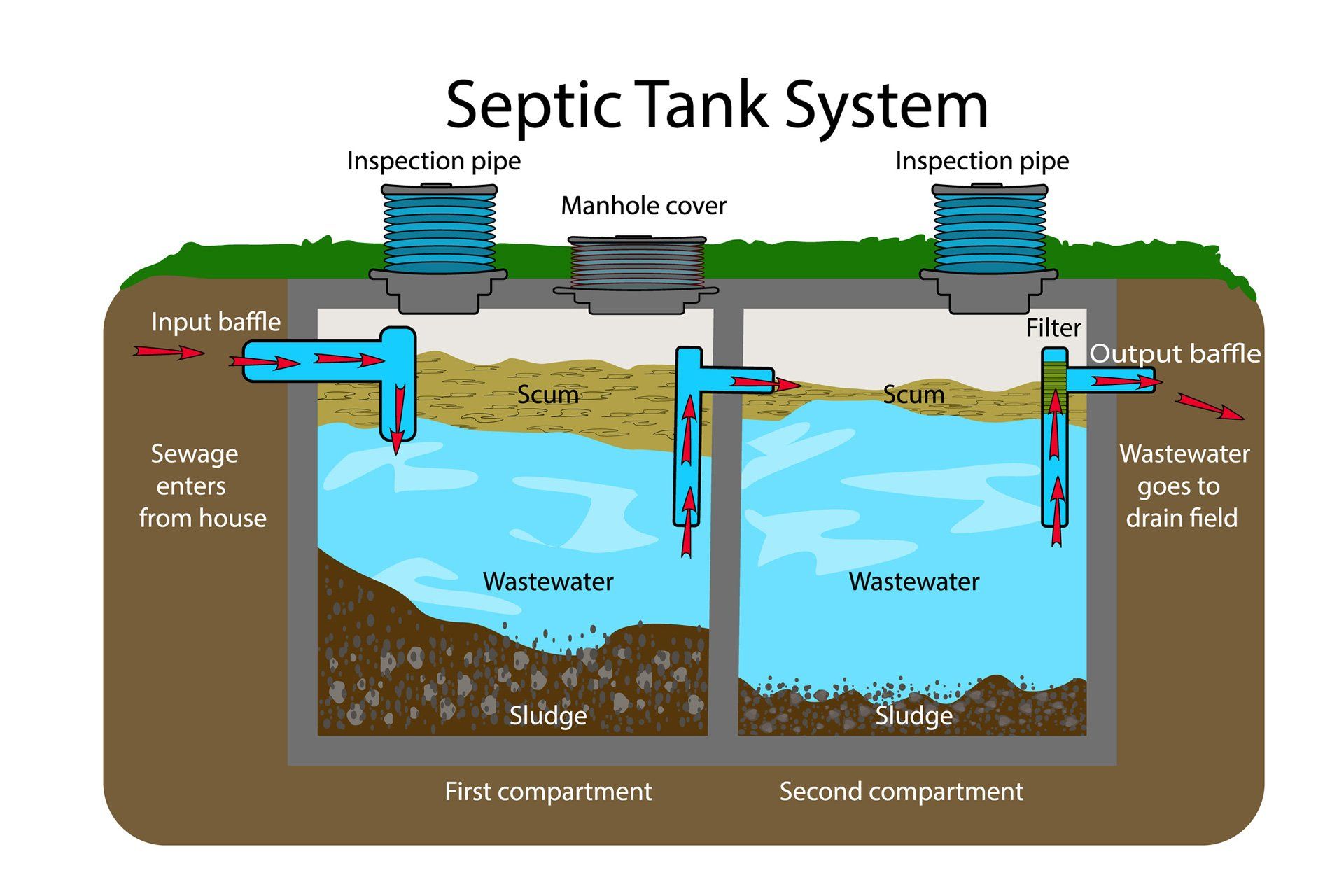
A full septic inspection includes locating and uncovering tank lids, inspecting structural walls and baffles for cracks or decay, measuring sludge and scum levels, checking wastewater flow from household fixtures, evaluating the effluent filter, and performing flow or dye testing to confirm proper liquid absorption in the leach field (drain field).
Do I need a septic tank inspection for home escrow or real estate sales in Kern County?
Yes. Most mortgage lenders, home buyers, and real estate transactions in Kern County require a comprehensive septic system inspection before closing escrow. Bakersfield Pumping Service provides detailed, C-42 licensed inspection reports accepted by mortgage lenders, realtors, and local county agencies.
How much does a septic tank inspection cost in Bakersfield, CA?
A standard residential septic tank inspection in Bakersfield typically ranges from $250 to $450. If the tank must be pumped at the time of inspection to inspect interior structural walls—or if access lids require deep digging or locating—total costs will adjust accordingly. Call (661) 831-4811 for exact upfront pricing.
How long does a septic inspection take, and when will I get the report?
An on-site septic inspection generally takes 1 to 2 hours to complete. Once finished, Bakersfield Pumping Service delivers a clear, written C-42 inspection report within 24 to 48 hours, making it ideal for tight real estate escrow deadlines.
What causes a septic system to fail an inspection?
Common reasons a septic system fails inspection include:
- Structural Failure: Cracked, deteriorated, or missing inlet/outlet baffles and concrete lids.
- Overfilled Tank / High Water Level: Liquid levels rising above normal outlet pipes, indicating leach field failure.
- Leach Field Failure: Standing water, sewage surfacing, or poor soil drainage capacity.
- Root Intrusion: Tree roots penetrating lines or tank walls.
- Unpermitted / Illegal Discharges: Undersized tanks or non-compliant graywater routing.

